Understand Boston
Background reading for the city behind the weekend — Boston from its 1630 founding on the Shawmut peninsula through the Revolution, the abolition movement on Beacon Hill, the immigrant harbor, the university and hospital economy, and the made land of the Back Bay and the Seaport, told in six acts.
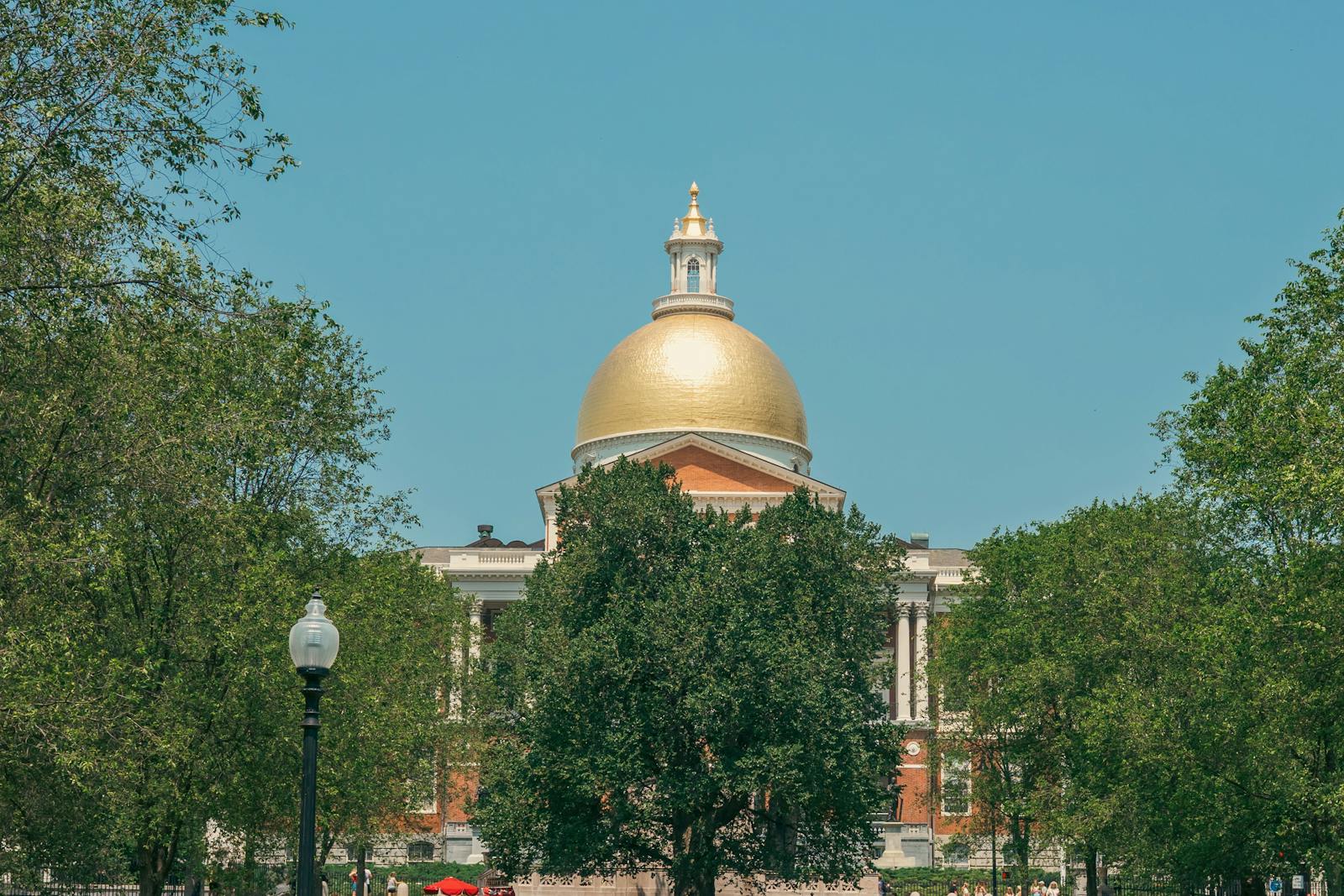 Act one · The foundingThe founding and the CommonBoston starts on a hilly, almost-island peninsula the Puritans reached in 1630. The street pattern of the old core and the green at its center both date from those first years, which is why a modern weekend still pivots around Beacon Hill, Downtown, and Boston Common.
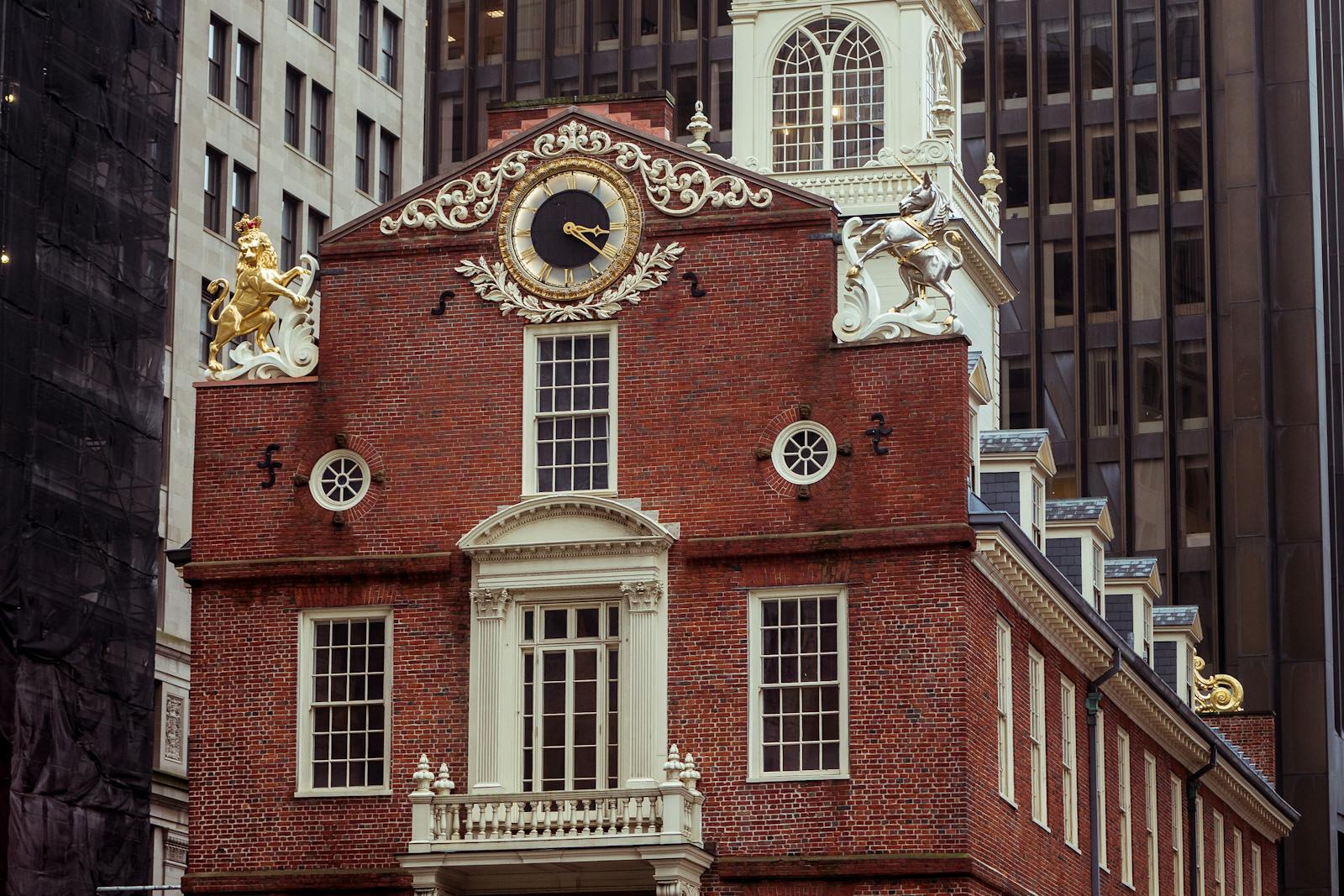 Act two · The RevolutionThe revolutionary cradleBetween 1770 and 1775 the friction between Boston and the British Crown turned into open rebellion. The events are compressed into a few downtown blocks, which is why the Freedom Trail can string them together on a single walk from the Common to Charlestown.
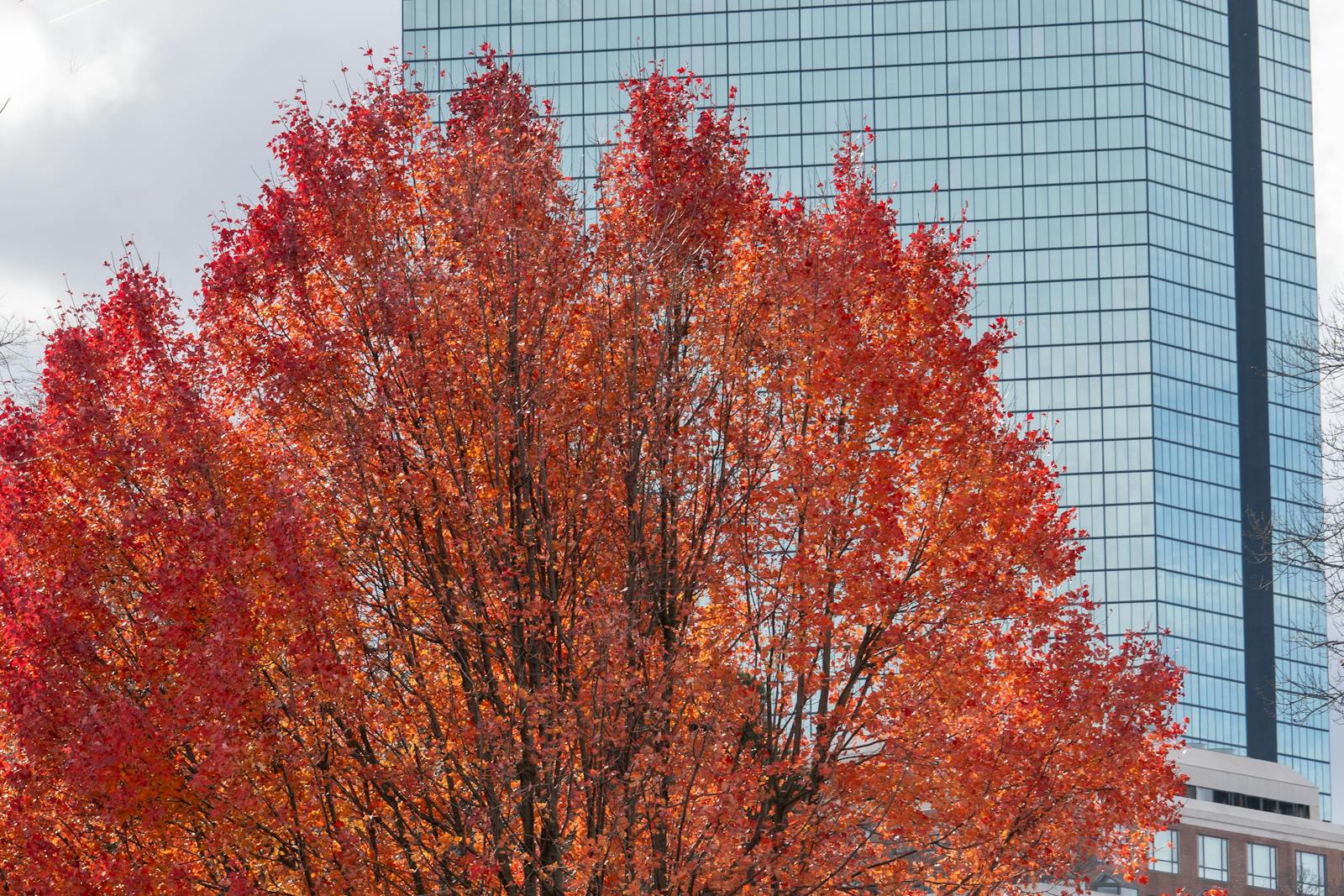 Act three · ConscienceAbolition and Black Beacon HillThrough the first half of the 19th century the north slope of Beacon Hill was the center of free Black Boston, and its institutions helped drive the national fight against slavery. The buildings still stand, linked today by the Black Heritage Trail.
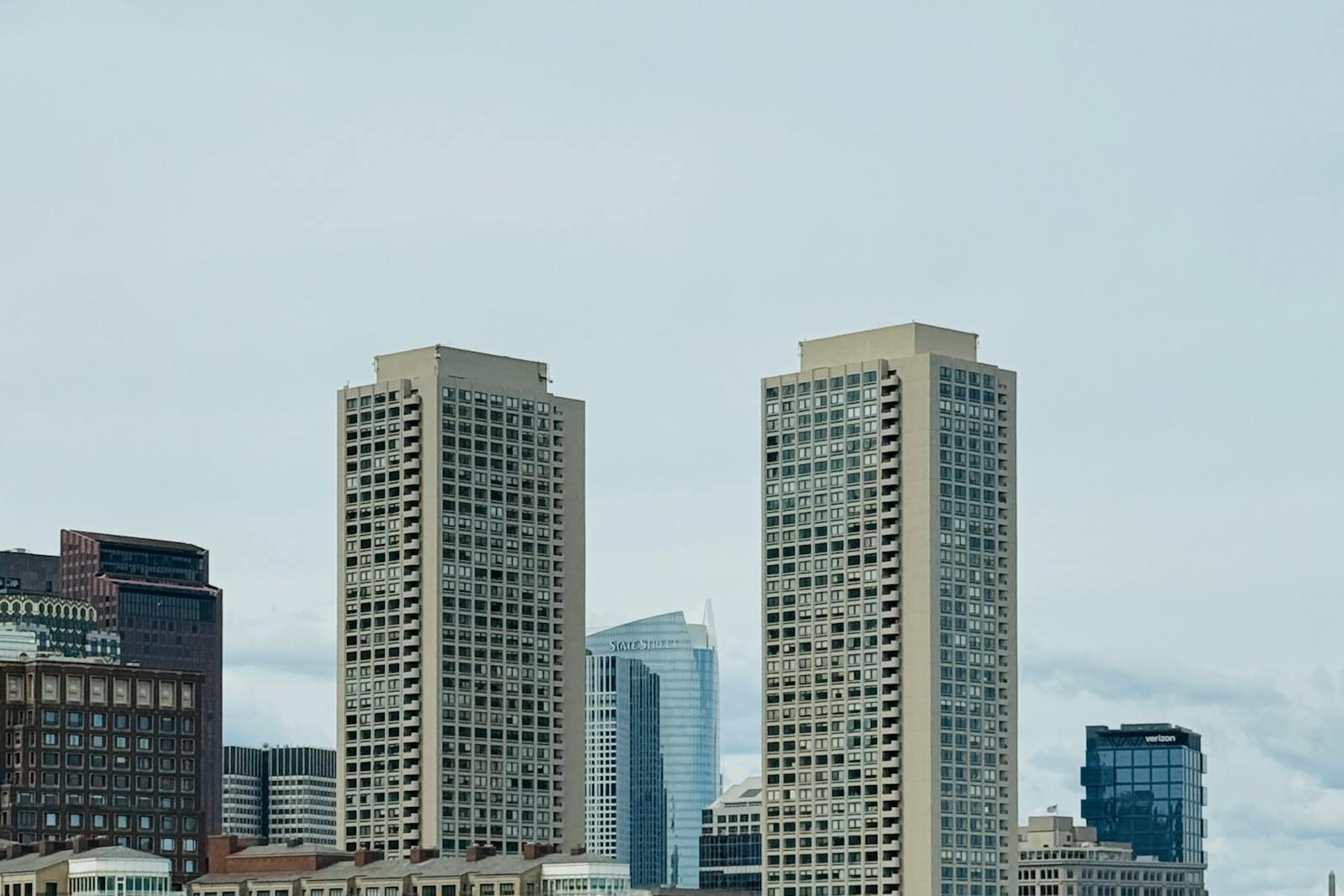 Act four · ArrivalThe immigrant harborFor most of the 19th and early 20th centuries Boston grew by immigration, and the North End was where wave after wave landed first. The neighborhood's layered history — Irish, then Italian — is the reason it still reads the way it does.
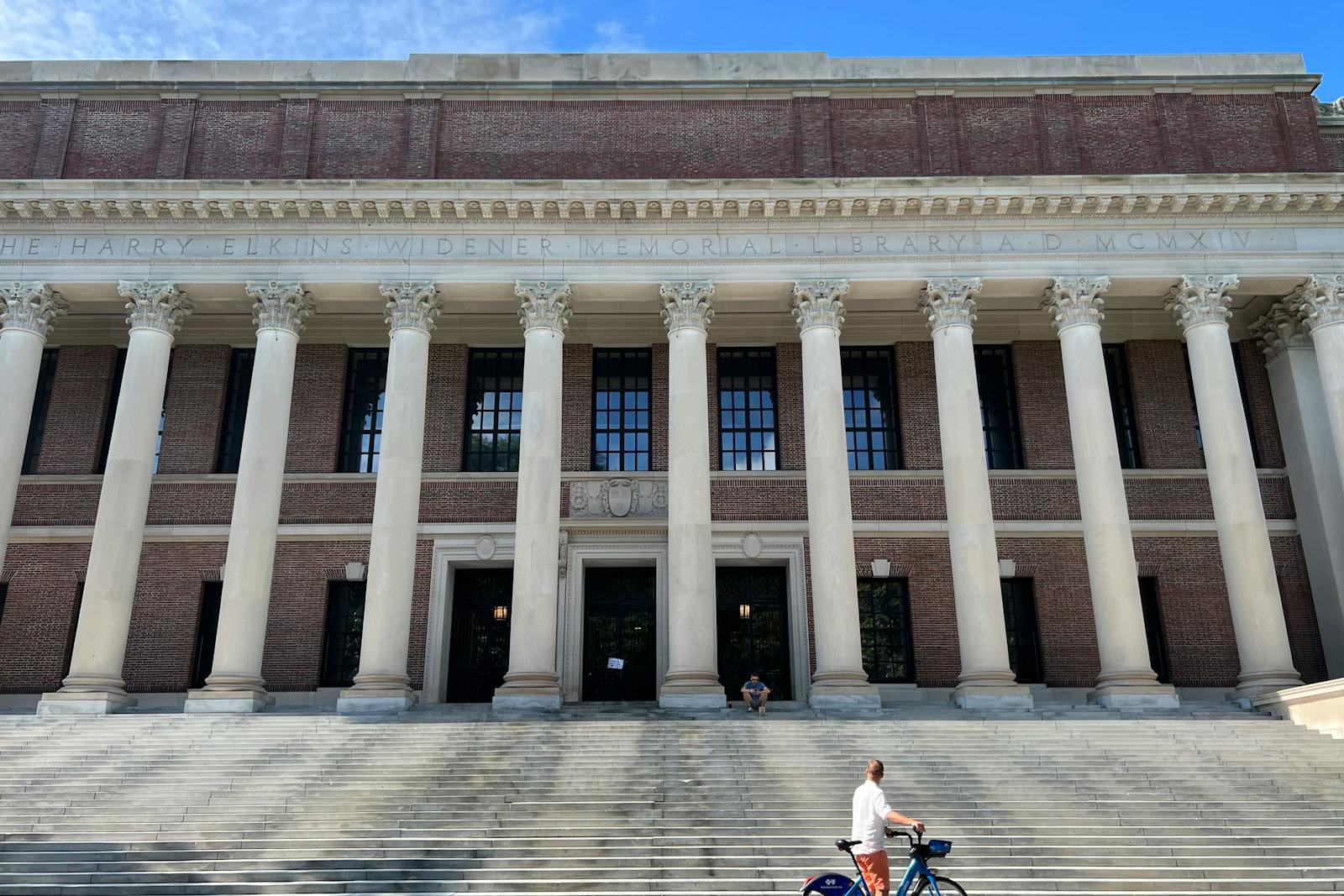 Act five · KnowledgeThe academic and medical capitalLong before it was a technology hub, Boston was a college town — the oldest in the country. Universities and teaching hospitals are now the region's economic core, clustered across the river in Cambridge and in the Longwood medical district.Act six · Remade groundReclaimed land and the modern waterfrontMuch of the Boston a visitor walks today did not exist at the founding. The city kept running out of room and answered by making land — most famously the Back Bay — a habit that runs through its parks, its highways, and its newest district on the harbor.