Boston Hidden Gems Beyond the Freedom Trail
Use Mapparium, Bates Hall, and Back Bay hotels for a compact Back Bay/Copley plan. Use Gardner when Fenway/Longwood is already part of the day. Use Brattle as the Downtown/Common side trip after a history walk.
Plan the next step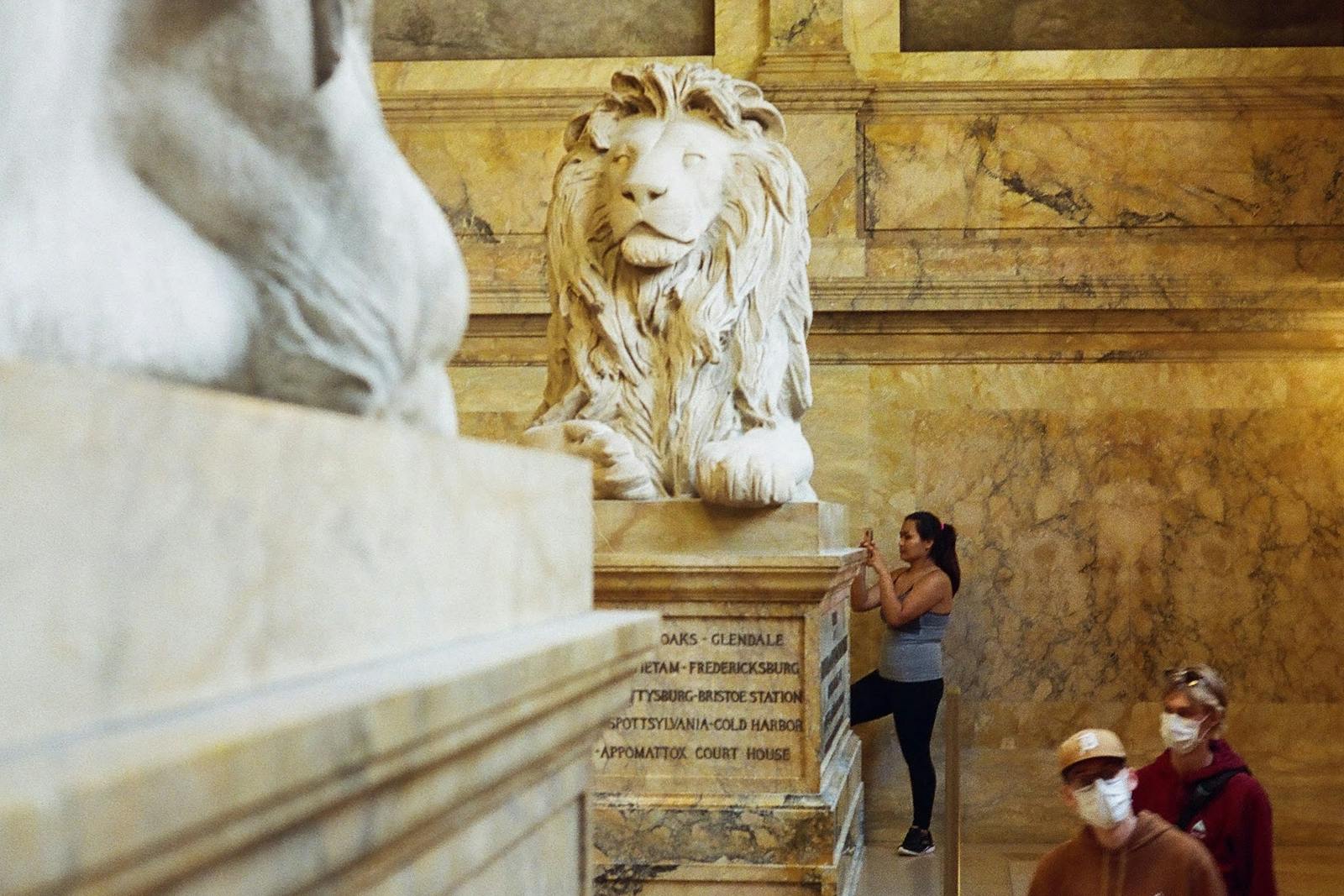
Quick answer
It is distinctive, compact, and officially described as a three-story globe experience.
Open placeWhat to do first
Use this sequence to add one or two hidden gems without bloating the day.
- 1Pick the route first
Choose Back Bay/Copley, Fenway/Longwood, or Downtown/Common before choosing the hidden gem.
- 2Choose one main gem
Mapparium, Gardner, Bates Hall, and Brattle each work better as a route decision than as list filler.
- 3Hold Bodega back for now
Do not recommend the old Boston Bodega stop until the active Boston location and visitor details are confirmed.
What matters most
- The best hidden-gem content is not a list of curiosities; it needs active places, official sources, and a clear day shape.
- Mapparium and Gardner work because each gives visitors a memorable story that is different from the standard history route.
- Bates Hall and Brattle Book Shop make the downtown and Back Bay plan feel more local without forcing a long detour.
Choose by what matters most
Mapparium vs Gardner
Both are memorable, but they solve different visitor jobs.
Use for a short, unusual Back Bay indoor stop that feels unlike a normal museum visit.
Use when the group wants a deeper Fenway museum stop with a story that sticks.
Tie breaker: If the schedule has only a small opening, use Mapparium; if the day can support a ticketed museum block, use Gardner.
Bates Hall vs Brattle
Both are quiet Boston alternatives to a crowded tourist stop.
Use when the Back Bay day needs a free architectural pause.
Use when the downtown day needs a bookish stop near Boston Common.
Tie breaker: Choose by route: Copley points to Bates Hall, Boston Common points to Brattle.
How to use the area
Build a small Back Bay hidden-gem loop
Use Mapparium and Bates Hall when the day is already centered on Back Bay, Copley, or a first-visit hotel base.
- Start with Bates Hall or Mapparium depending on whether the day needs free architecture or a ticketed unusual stop.
- Use The Lenox or The Newbury as base logic when the hidden-gem plan should stay compact.
Add Brattle after the history walk
Use Brattle Book Shop when a Freedom Trail or Boston Common day needs a small discovery before food or hotel recovery.
- Use Freedom Trail as the main history route, then keep Brattle as the lighter downtown detour.
- Use Boston Public Market if the group needs flexible food after the downtown walk.
What if...
If weather turns
Use Bates Hall, Mapparium, or Gardner as the indoor answer instead of forcing the full outdoor history day.
If the Freedom Trail is done
Add Brattle or a short Back Bay/Copley stop instead of starting another long attraction list.
Rain or cold plan
Hidden gems work well in bad weather when they keep the map compact.
- Use Mapparium or Bates Hall for a Back Bay/Copley day.
- Use Gardner when a Fenway/Longwood museum day is already realistic.
Specific anchors
Mapparium
It is distinctive, compact, and officially described as a three-story globe experience.
Best free architecture stopBoston Public Library Central Library
Bates Hall gives Copley a serious indoor stop without adding a ticketed museum.
Best downtown book stopBrattle Book Shop
It turns the Common and Downtown Crossing area into a more local route.
Common mistakes to avoid
Use Mapparium for the short memorable stop
The official experience page describes the Mapparium as a three-story stained-glass globe showing the world at one moment in 1935, which makes it more specific than a generic hidden-gem mention.
- Best used as a compact Back Bay or Fenway-side stop, not as a full museum day.
- The globe needs a timed paid ticket; the other exhibits are free. On Saturday or Sunday from 1–5 p.m., globe tickets are sold only onsite subject to availability, so do not build a tight return connection around an unconfirmed slot.
Use Gardner when the story should stay with the visitor
The Gardner Museum's official theft page documents the 1990 theft of 13 works and the continuing investigation, giving the museum a story visitors remember without turning the guide into sensationalism.
- Use Gardner as a deliberate Fenway museum stop, especially when the day can support ticket timing.
- Pair with MFA only when the schedule can handle a real museum day.
Let Bates Hall and Brattle do the quiet Boston work
Bates Hall gives Back Bay a free architectural pause, while Brattle Book Shop gives the Common and Downtown Crossing area a small bookish detour.
- Use Bates Hall when the route is Copley, Back Bay, or library-side.
- Use Brattle when the route is Boston Common, Park Street, Downtown Crossing, or the end of a history walk.
Why Bodega is not a current pick
Bodega is useful historically, but the current Boston location details are not clear enough to recommend it as a current visitor stop.
- Use Bodega only after the active Boston location, public hours, and visitor instructions are confirmed from a reliable current source.
- Until then, Brattle is the safer downtown discovery because the official shop pages confirm address, contact, and transit directions.
Places in this guide
Experiences · Back Bay
Boston Public Library Central Library
Experiences · Back Bay
Experiences · Downtown
Isabella Stewart Gardner Museum
Experiences · Fenway-Kenmore
Experiences · Fenway-Kenmore
Experiences · Downtown
Stays · Back Bay
Stays · Back Bay
Stays · Fenway
Dining · Downtown